
Safe Ways to Remove Earwax at Home in Summer
Summer can make earwax more noticeable. Sweat, swimming and humid weather

By: Kory Rogers, BC-HIS | September 3, 2025
Managing hearing loss in a workplace setting can come with daily obstacles, especially when communication plays such a central role in most jobs. Whether it’s participating in meetings, following group conversations working in noisy environments, even small challenges can add up. But creating a supportive work environment doesn’t have to be complicated. When employees and employers work together, adjustments can be made that help everyone stay engaged and productive.
Knowing how to speak up about your needs is an important part of making your workplace more accessible. It starts with understanding your own hearing challenges and being comfortable sharing them in a way that promotes collaboration. A hearing health professional will go over practical ways to advocate for yourself, tools that may help and how open communication can lead to better outcomes for everyone.
Hearing loss can be gradual, often making it difficult for you to realize what’s happening until significant hearing ability has been lost. The process typically begins with difficulties in hearing high-frequency sounds, like the voices of women and children or certain parts of speech like s and th. Over time, these difficulties can extend to lower frequency sounds as well. Recognizing these signs early on gives you a better chance of seeking help from hearing health professional and implementing strategies that can help manage your hearing loss more effectively in the workplace and beyond.
Hearing loss can significantly impact your professional life. It may affect how you interact with colleagues, perform tasks and even perceive your own capabilities. But acknowledging this influence is the first step towards taking control and advocating for yourself in the workplace. Workplace communication often relies heavily on auditory cues. With hearing loss, these cues might be missed or misunderstood, leading to potential miscommunications or missed opportunities. However, it’s important to note that with the right strategies and tools in place, these challenges can be mitigated.
Adjusting to the workplace with hearing loss can take some extra effort, but it doesn’t mean your goals are out of reach. With the right support and strategies, it’s possible to stay productive and continue moving forward in your career.
Understanding your legal rights as an employee with hearing loss is an important step in creating a supportive and productive work environment. The Americans with Disabilities Act (ADA) helps make sure that employees with hearing challenges are treated fairly and given equal access to opportunities. This includes the right to request reasonable accommodations – like assistive listening devices, captioned meetings or other tools that help you do your job more effectively. Knowing these rights can help you feel more prepared and confident when discussing your needs with your employer.
Being informed can also make it easier to start a thoughtful conversation about what support will help you succeed. When you understand your rights and clearly explain your needs, it becomes easier to find solutions that benefit both you and your team. Being aware of these laws equips you with the information needed to discuss your needs openly and assertively with your employer. Understanding them is a significant part of managing hearing loss in the workplace and thriving professionally despite any challenges.
Begin by setting up a meeting with your supervisor or representative to discuss the situation. Be open about the challenges you’re facing and suggest practical solutions that could help facilitate better communication at work. For example, if phone calls are difficult for you, suggest using email or instant messaging instead. If group meetings are a struggle, ask if there could be written summaries provided afterwards.
Educating those around you about hearing loss can also be helpful – many people simply don’t understand the complexities of this hearing issue and how it affects daily interactions. Sharing information about how they can make communication easier for you can go a long way in improving overall workplace dynamics.
By taking these steps towards mastering communication at work despite hearing loss, not only will you be helping yourself but also contributing positively to the workplace culture as a whole.
Assistive technologies designed specifically for those experiencing hearing difficulties can greatly enhance workplace efficiency and communication. These technological tools range from amplified phones and alerting devices to captioning services and specialized software. Amplified phones boost the volume of incoming calls, making it easier for you to understand conversations over the phone. Alerting devices use visual or tactile signals to notify you of important sounds like a ringing phone or fire alarm – ensuring that you don’t miss out on crucial alerts even if they’re hard to hear.
Captioning services can transcribe spoken words into text in real-time, which can be particularly useful during video conferences or group meetings. Specialized software can also help convert speech-to-text in various digital platforms, facilitating smoother communication.
Using assistive technologies in your daily work routine can help make communication smoother and more effective. These tools can reduce the impact of hearing loss, making it easier to stay connected and focused on your tasks. It’s a straightforward way to support your performance without making major changes to your workflow. With the right tools in place, you can continue doing your job confidently and efficiently.
One of the first steps towards successful adaptation is acknowledging your hearing loss and how it affects your work. This self-awareness allows you to understand what adjustments need to be made and enables you to advocate for those changes effectively. For instance, if background noise makes it difficult for you to focus on tasks or conversations, consider requesting a quieter workspace or using noise-cancelling headphones.
Additionally, keep an open line of communication with your colleagues and superiors about your needs. If certain tasks or modes of communication pose challenges due to your hearing loss, discuss alternative methods that might work better for you.
Take advantage of assistive technologies designed specifically for individuals with hearing loss – these tools can greatly enhance workplace efficiency and communication. From amplified phones that boost call volumes to captioning services that transcribe spoken words into text in real-time – there are numerous options available today that can help bridge the gap caused by hearing difficulties.
It’s important to give yourself time as you adjust to changes related to hearing loss in the workplace. Learning how to manage new challenges doesn’t happen overnight, but steady effort can lead to practical solutions that work for you. Over time, you can find approaches that help you stay effective on the job.
Effective communication with colleagues is a vital aspect of any professional setting, more so when you’re dealing with hearing loss. It’s not just about conveying your thoughts and ideas clearly, but also ensuring that you understand what others are saying. Here are a few strategies that can help facilitate better communication at work.
Firstly, be open about your hearing loss. This doesn’t mean announcing it to everyone in the office but rather informing those you interact with regularly. Let them know the best ways to communicate with you – whether it’s speaking clearly and directly or using visual aids during presentations. Don’t hesitate to ask for repetition or clarification when needed. It’s important that you fully understand what is being communicated to avoid any miscommunication or misunderstanding later on.
Effective communication involves both speaking clearly and listening carefully. Using practical strategies at work can help improve your interactions with others and support smoother collaboration. It’s also a step toward building a work environment where different needs are acknowledged and respected. When communication is handled thoughtfully, it becomes easier for everyone to stay on the same page. This can lead to better teamwork and a more supportive workplace overall.
In a noisy work environment, noise level challenges can often add an extra layer of difficulty for those with hearing loss. High levels of background noise can make it harder to focus on tasks or conversations, causing frustration and potentially affecting productivity. One practical approach is to use noise-cancelling headphones or earplugs that help reduce background noise, allowing you to concentrate better on your work. If your workspace is particularly noisy, consider discussing this issue with your supervisor and ask if there are quieter areas where you could work.
Facing up to these challenges and seeking solutions proactively is a testament to your resilience and determination. It’s about making the workplace more accommodating for your needs – ensuring that you continue to perform at your best despite any auditory obstacles.
Feeling stressed at work can happen to anyone. Trying to follow group discussions or missing parts of conversations can leave you feeling left out or uncertain. Over time, this can lead to frustration or stress, especially if you’re constantly trying to catch up or fill in the gaps. Recognizing this early can help you take steps to prevent it from affecting your confidence or performance.
One way to manage this stress is by adjusting how you handle certain work tasks or interactions. For example, asking for agendas before meetings or requesting written follow-ups can give you more control and reduce the pressure to catch every word in real-time. You might also find it helpful to take short breaks throughout the day to reset and avoid mental fatigue. These adjustments aren’t about avoiding challenges – they’re about creating a more workable routine.
Whether it’s a supervisor or a trusted colleague, having someone you can rely on helps create a more understanding environment. When others are aware of your needs, they’re more likely to provide meaningful support.
Dealing with hearing loss in the workplace requires a proactive approach. This includes understanding your hearing loss, advocating for your needs and making use of available resources to ensure a conducive work environment. There are numerous strategies and tools available to help you in the workplace.
If you need further guidance or assistance, don’t hesitate to reach out to hearing health professionals who specialize in diagnosing and provided effective solutions. Hearing Aid Express is here for you at our various locations throughout Texas and Colorado. Our hearing health professionals can provide personalized advice and solutions tailored specifically for your unique needs. To schedule a consultation or for more information:
Hearing loss doesn’t have to limit your career growth or job satisfaction. It’s important to take steps to address your needs, so you can continue to perform well and find success in your professional life.
Tags: hearing loss prevention tips, hearing protection products, noise-induced hearing loss
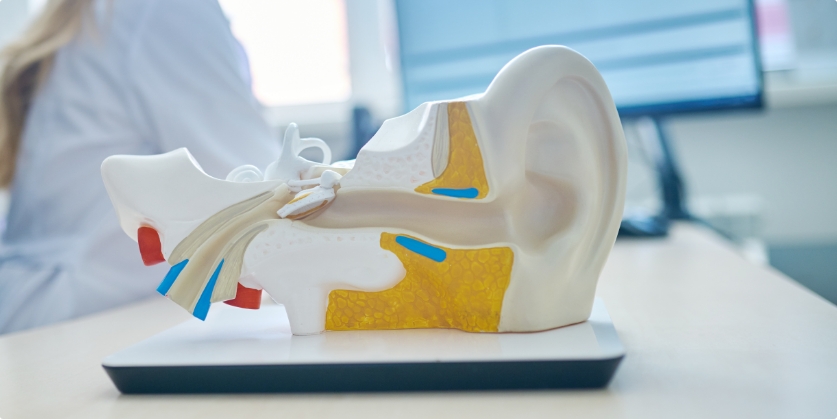
Summer can make earwax more noticeable. Sweat, swimming and humid weather
By: Kory Rogers, BC-HIS | September 21, 2026
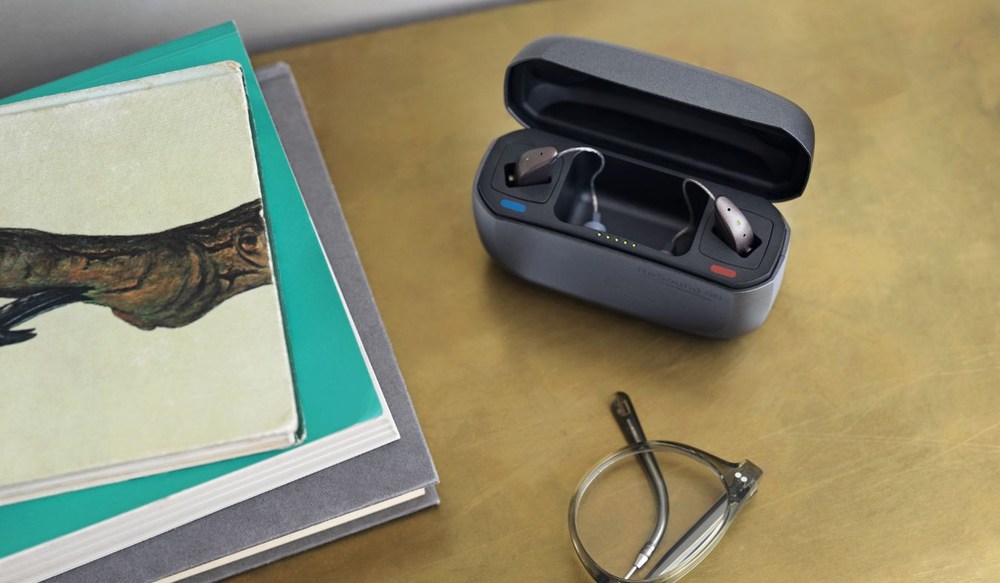
There is a small routine that comes with disposable hearing aid batteries
By: Kory Rogers, BC-HIS | April 22, 2026

When you’re looking at hearing aids, the question usually
By: Kory Rogers, BC-HIS | February 20, 2026