Hearing loss is more prevalent than many realize, especially among the senior community. Misconceptions and myths about hearing loss can prevent individuals from seeking proper care and solutions. This article aims to debunk these myths, offering clarity and guidance on hearing health. Did you know that untreated hearing loss can lead to feelings of isolation and even cognitive decline in seniors?

Myth 1: Hearing Loss is a Natural Part of Aging

Understanding the Misconception

Many perceive hearing loss as an inevitable part of getting older. While it’s true that hearing can change with age, not all hearing loss is unavoidable. In fact, various factors, including prolonged exposure to loud environments, can be major contributors.

Fact-Based Insights

– **Proactive Care**: Hearing loss can often be prevented or mitigated with proper care. Regular hearing assessments can help identify issues early.
– **Advancements in Hearing Care**: Technological developments have paved the way for better prevention and management strategies.

Embrace proactive assessments to maintain optimal hearing health and lifestyle.

Myth 2: Hearing Aids Are Unattractive and Make Me Look Old

Addressing Concerns

A common concern is that hearing aids are bulky and unattractive, conjuring images of outdated devices. This stigma can deter people from exploring beneficial options.

Modern Solutions

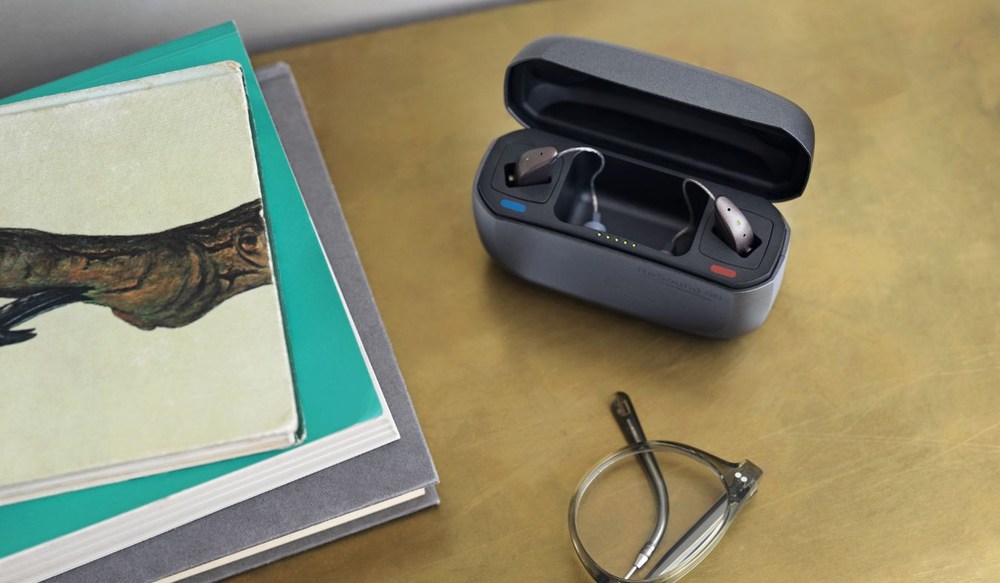
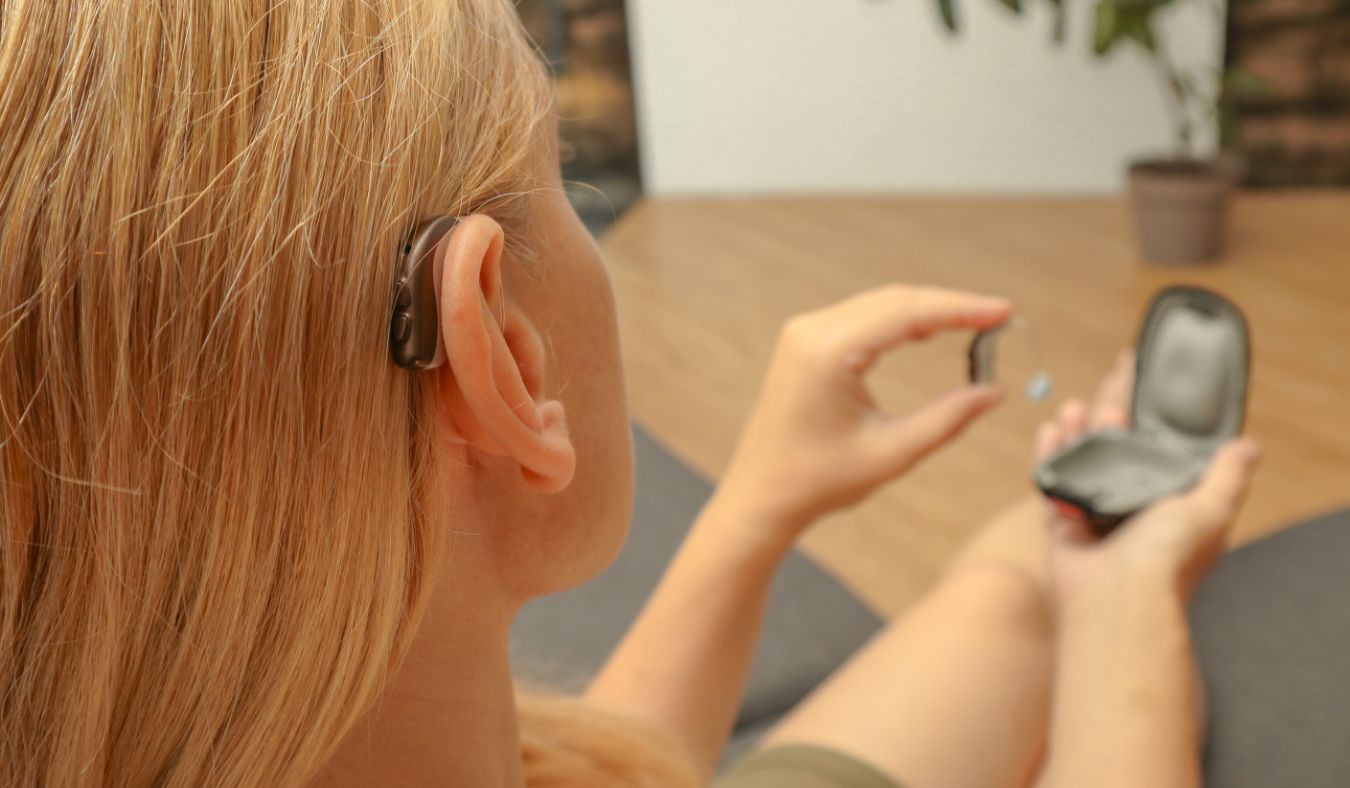
– **Discreet Designs**: Today’s hearing aids are sleek, stylish, and almost invisible, designed to meet a variety of aesthetic preferences.
– **User Testimonials**: Many users express relief and increased confidence after embracing today’s advanced hearing aids.

Testimonial Highlight

*“Getting new hearing aids was seamless and no one even notices them! They blend perfectly into my lifestyle and improve my interactions both at work and socially.” – A satisfied user*

Myth 3: My Hearing is Fine if I Can Hear Some Sounds

Exploring Hearing Variability

Partial hearing ability doesn’t equate to optimal hearing. Hearing loss often affects speech clarity, making it difficult to follow conversations, especially in noisy environments.

Importance of Routine Evaluations

Regular hearing evaluations are crucial for accurately assessing your hearing health. Don’t settle for ‘good enough’ when it comes to your ability to communicate effectively.

Myth 4: Only Loud Noises Cause Hearing Loss

Diverse Causes of Hearing Loss

Loud noises are not the sole culprits of hearing loss. Genetics, medical conditions, and certain medications also play a significant role.

Protective Measures

– Use ear protection in noisy settings.
– Manage underlying health conditions through regular medical check-ups.
– Opt for early intervention to prevent further damage.

Understanding these various factors is critical in safeguarding your hearing for the long term.

Myth 5: Hearing Aids Restore Hearing to Normal

The Reality of Hearing Aids

Hearing aids enhance sound and significantly improve quality of life, though they do not cure hearing loss.

Enhancing Life with Hearing Aids

Sharing success stories can paint a vivid picture of life with hearing aids:

*“Life has been fuller since I began using hearing aids. Conversations are clearer, and I feel more connected to my family and friends.” – A thriving individual*

Dispelling myths about hearing loss paves the way for better hearing health. It is vital for individuals to seek professional consultations, rather than rely on outdated myths. Engage in proactive care for a better auditory experience. CLICK HERE to book a complimentary assessment and explore the advanced hearing solutions that are available.