As we journey through life, our bodies undergo a myriad of changes, some more noticeable than others. One such change that often occurs with age is hearing loss, a condition that can significantly impact daily living. Understanding the connection between aging and hearing loss is crucial for seniors to maintain their quality of life and ensure effective communication with loved ones and the world around them.

Understanding Hearing Loss with Age

Hearing loss, medically known as presbycusis, refers to the gradual decline in hearing ability, typically happening as a natural part of aging. This condition results from changes in the inner ear and auditory nerve. According to the National Institute on Deafness and Other Communication Disorders (NIDCD), approximately one in three people in the United States between the ages of 65 and 74 has hearing loss, and nearly half of those older than 75 experience difficulty hearing.

Signs and Symptoms of Hearing Loss

Early detection of hearing loss can make a significant difference in managing the condition effectively. Common signs include:

– Frequently asking others to repeat themselves.
– Difficulty following conversations, especially in noisy environments.
– Turning up the volume on televisions or radios louder than usual.

Recognizing these signs is essential as untreated hearing loss can affect daily life by causing misunderstandings and distancing individuals from their social circles.

The Impact of Hearing Loss on Quality of Life

Hearing loss not only impacts communication but can also have profound emotional and social effects. Seniors experiencing hearing loss may feel isolated, leading to depression and anxiety. Moreover, studies suggest that untreated hearing loss may contribute to cognitive decline, making it imperative to address the issue promptly. Maintaining an active lifestyle and engaging in social activities are vital to preserving mental health and well-being.

Solutions and Management

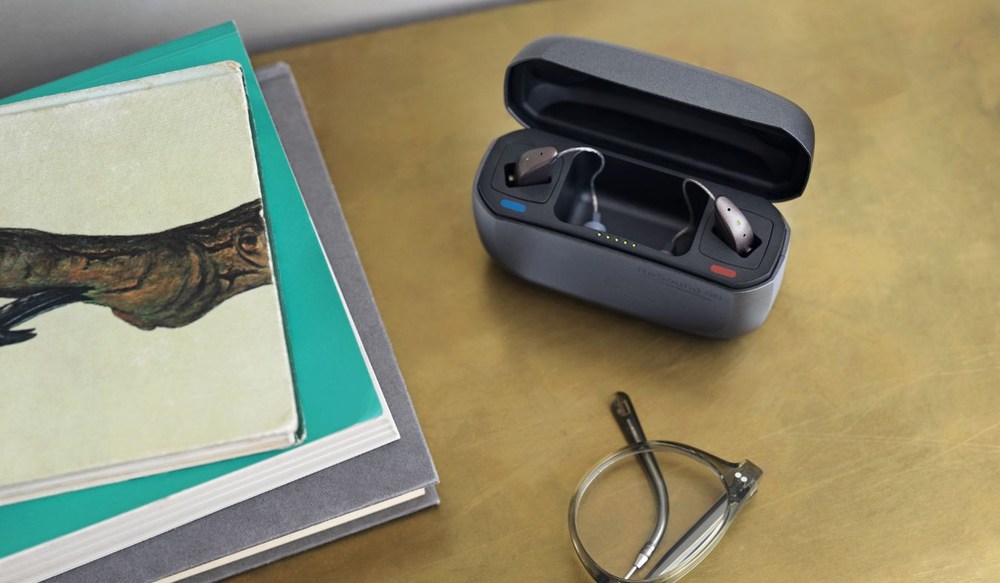
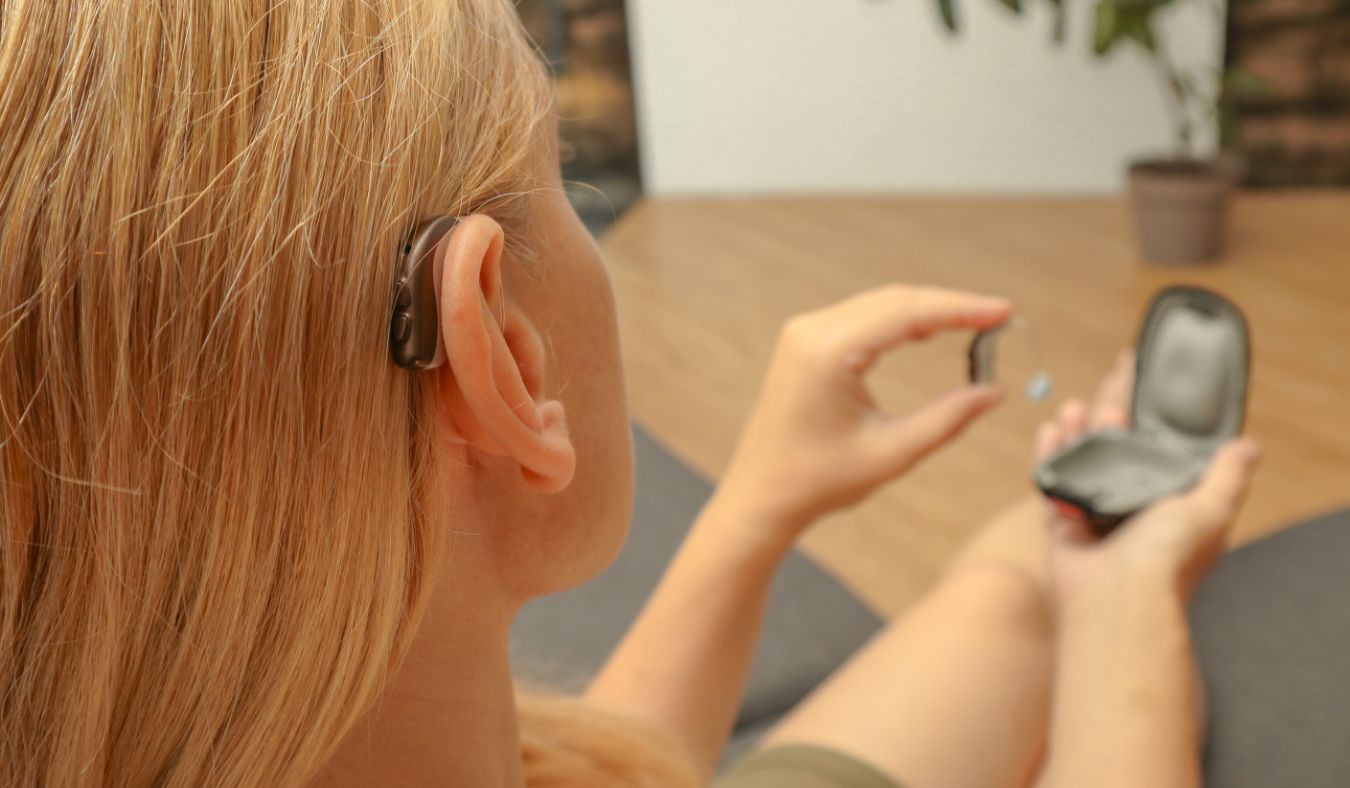
Hearing aids are the primary solution for managing hearing loss, designed to amplify sound and enhance the listening experience. Modern hearing aids come with a range of features, including Bluetooth connectivity and noise cancellation, making them adaptable to various environments. In addition to hearing aids, other options such as assistive listening devices and cochlear implants can offer substantial benefits for those with significant hearing impairment.

Taking Action: Next Steps for Seniors

If you suspect hearing loss, taking action sooner rather than later is crucial. Schedule a hearing assessment with a qualified audiologist, as early detection and regular check-ups can prevent further complications. Finding local audiologists or hearing care providers can be an essential step in managing your hearing health effectively.

Hearing loss is a prevalent concern among seniors, yet by understanding it and taking proactive steps, its impact can be significantly reduced. Addressing hearing loss early not only improves communication but also enhances overall life satisfaction. Take control of your hearing health today. If you or a loved one are experiencing signs of hearing loss, don’t wait. Schedule a consultation with Hearing Aid Express. Your journey to better hearing health starts with one step.