
Are Premium Hearing Aids Worth the Extra Cost?
When you’re looking at hearing aids, the question usually
By: admin | February 20, 2026
When you’re looking at hearing aids, the question usually isn’t whether you need help hearing. It’s whether spending more actually gets you something that works better for your life.
This question tends to come up during real moments, like when you’re still struggling to hear in restaurants even with your current devices, or when you’re exhausted after a few hours around people because your brain’s been working overtime to fill in what you’re missing.
You start wondering if different hearing aids would make those situations easier, or if what you have now is about as good as it gets. It’s hard to know without understanding what you’re actually paying for when one set costs more than another.
What you’re really trying to figure out is whether the extra money translates into something you’d notice and appreciate every day.
For some people, basic hearing aids handle everything they need and there’s no reason to spend more. For others, the difference between struggling through background noise and actually being able to relax into a conversation is worth it.
Understanding what separates entry-level options from higher-end ones helps you decide if paying more would genuinely make your life easier or if you’d just be paying for features you don’t really need.
It comes down to what you’re dealing with day to day and whether the upgrade would actually change how you experience the situations where hearing is hardest for you.
Hearing aids work by helping sound get from the world around you to your brain in a clearer, more useful way. Tiny microphones on the device pick up sounds like voices, traffic or a door closing.
Those sounds are turned into digital signals inside the hearing aid, where they are adjusted based on what your hearing needs. Some sounds may be made clearer, others softened, depending on what helps you understand speech more easily.
Once the sound is adjusted, the hearing aid sends it through a small speaker into your ear. From there, your ear and brain take over, just like they always have.
The difference is that the sound has been shaped to work better for you, rather than just being louder. Modern hearing aids do this very quickly, so conversations still feel natural and in real time.
Hearing aid technology has changed a great deal over the years, even though the purpose has always been the same.
Early hearing aids were basic sound amplifiers. They picked up everything around you and made it louder, whether it was speech, background noise or sudden sounds.
Many people found them tiring to use because louder did not always mean clearer. Wearing one often meant trading one problem for another, especially in busy or noisy places.
As hearing aids improved, they stopped just making everything louder. Instead, they started figuring out which sounds you actually need to hear and making those clearer. The focus moved from your ear alone to how your brain understands speech, so conversations became easier to follow without straining.
Now, hearing aids respond quickly to the world around you. They adjust sounds automatically so you can hear what matters, like a friend talking in a busy room, without having to think about it or turn anything up manually.
Hearing aids come in several different styles today, each designed to sit on or inside the ear in a specific way. The differences are not about better or worse, but about fit, comfort and how the device works with your ears and daily routines.
The most common types of hearing aids available today include:
Standard hearing aids are designed to help you hear better in everyday situations. They typically offer clear sound amplification, basic background noise reduction and easy-to-use volume controls.
These features often provide enough support for hearing at home, during quiet conversations or while watching TV.
Some standard models also include:
Premium hearing aids use smart technology to adjust sound automatically, filter out background noise and connect directly to your phone or TV for streaming. These features are especially useful if you spend time in busy environments or want extra convenience.
For those with simpler listening needs, standard hearing aids can be a practical and effective choice.
Premium hearing aids are built to handle more complex listening situations and to adjust more smoothly as your surroundings change.
These devices use more advanced processing to sort through sound, so conversations feel clearer and more comfortable whether you are at home, outside or in a busy space.
Many premium models include tools like noise reduction, wireless connectivity, rechargeable batteries and artificial intelligence. Noise reduction helps manage background sounds so speech stands out more easily.
Wireless connectivity means your hearing aids can link directly to your phone, TV, or other devices, so you don’t have to struggle to hear calls or shows. Rechargeable batteries make life easier by cutting down on the hassle of swapping tiny batteries all the time. Artificial intelligence lets the hearing aids get used to the places you spend time and adjust on their own.
All of this adds up to less fiddling, fewer interruptions, and a more reliable listening experience without you having to think about it constantly.
How well hearing aids cut down background noise depends on the model. Premium hearing aids are better at picking out speech from all the surrounding sounds, so it’s easier to follow conversations in busy places.
Standard models still help with background noise, but they might not block as much in crowded or noisy settings.
Premium devices can adjust noise settings automatically and respond quickly to sudden changes in your environment. Standard devices may require manual adjustments or offer fewer options.
While advanced noise reduction can improve speech clarity and reduce listening effort in complex environments, these features may be less necessary if you spend most of your time in quiet places.
Wireless connectivity allows hearing aids to connect directly to smartphones, tablets and other devices for easier listening and more control. You can stream phone calls, music or videos straight to your hearing aids without extra equipment.
Many modern devices come with smartphone apps that let you adjust volume or change settings with a tap, making it simple to customize your listening experience wherever you are.
Rechargeable batteries have become a popular feature in many hearing aids. They provide a convenient way to keep your devices powered without changing small batteries every few days.
Traditional batteries require regular replacement and can be less convenient if handling tiny parts is difficult.
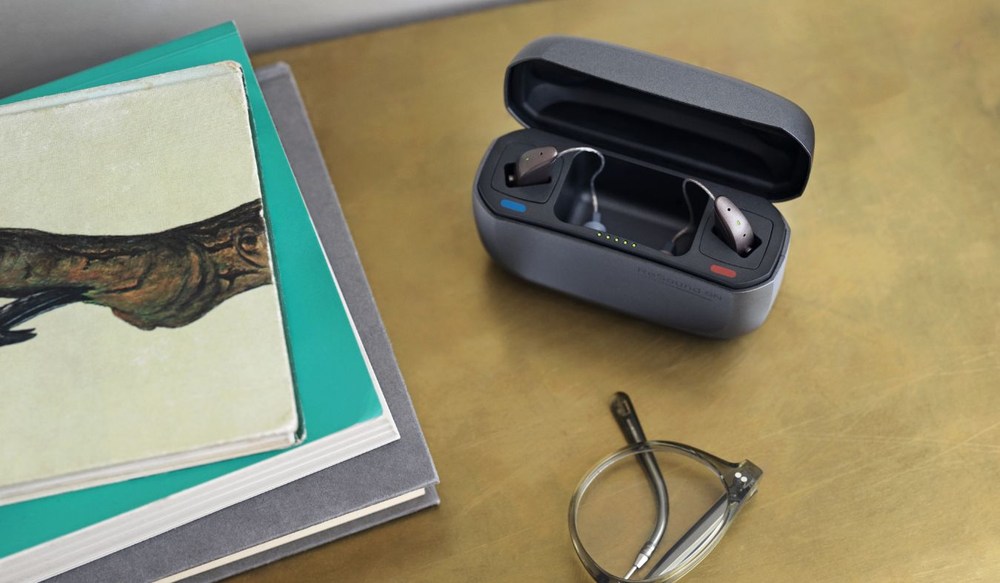
Rechargeable models are especially helpful for those who want less hassle and more reliability throughout the day. Most charge overnight so your hearing aids are ready each morning. Some models include portable charging cases for added convenience when you are away from home.
Artificial intelligence in hearing aids is about helping the devices make smarter decisions on their own, without you having to think about settings or controls all day. Instead of treating every sound the same, AI allows the hearing aids to recognize patterns in your listening environments.
The devices begin to understand the difference between a quiet conversation at home, a busy restaurant or time spent outdoors, and they respond in ways that feel more natural.
What makes this technology meaningful is how it adapts to real life. As you move through your day, AI-driven systems can adjust how sound is processed based on what has worked well for you before.
If certain environments have been challenging, the hearing aids learn how to handle them more smoothly the next time. This ongoing adjustment helps listening feel steadier and less exhausting, even in places that used to feel overwhelming.
People who spend time in busy places or need to hear clearly in group conversations often benefit most from advanced hearing aid technology. Premium features are also helpful for those who want more control over their listening experience or enjoy using the latest tech.
You may find advanced hearing aids especially useful if you:
Standard hearing aids work well if you spend most of your time in quiet settings, like at home or talking one-on-one. They give clear sound and help reduce background noise enough for everyday life.
If you don’t need a lot of extra features and just want something reliable and easy to use, a standard model can be a great choice.
Before selecting a hearing aid, it helps to pause and think about how you actually spend your days and what you expect from the device. A few well-chosen questions can shape the conversation and make sure the recommendation fits your hearing needs and daily routines.
These questions are a good place to start:
Reviewing these points can help you find the right balance between features and value so you only pay for what you truly need.
Choosing between premium and standard hearing aids depends on your lifestyle, listening needs and preferences. If you often find yourself in busy places or want the latest technology for added convenience and comfort, premium models may be worth considering. For those with simpler routines or who spend most of their time in quiet settings, standard options can deliver clear sound and reliable performance without extra features.
If you would like guidance on selecting the right hearing aid for your needs, our team is available to help at any of our locations. Contact us to schedule a consultation or to learn more about the solutions that may work best for you.
When you’re looking at hearing aids, the question usually
By: admin | February 20, 2026

Choosing a hearing aid isn’t just about finding something that makes
By: admin | December 21, 2025

The Journey to Better Hearing Hearing loss can be a silent disruptor in
By: admin | September 23, 2025