The topic of children’s hearing health is becoming increasingly critical in today’s world. Early hearing loss detection in children has garnered growing concern among parents, healthcare providers, and educational institutions. This article aims to inform and educate about the importance of early detection and treatment in safeguarding a child’s auditory health.

Understanding Hearing Loss in Children

Hearing loss in children represents a spectrum of auditory impairments that can profoundly impact a child’s life. There are various types of hearing loss, including conductive, sensorineural, and mixed. Each type has distinct causes and can affect speech, learning, and social interactions. Common signs that may indicate hearing loss in children include delayed speech development, frequent inattention, or difficulty in following conversations, even in quiet environments.

Importance of Early Detection

Identifying hearing issues at an early stage is crucial for a child’s development. Early detection can significantly enhance language and cognitive growth, ensuring that children achieve their full potential. Studies have shown that children who receive early intervention develop communication skills on par with their hearing peers. The American Speech-Language-Hearing Association reports that early intervention by six months can result in substantially better outcomes in a child’s language and speech development.

Screening and Diagnosis

Newborn hearing screenings are standard practice in many hospitals, highlighting the importance placed on early detection. For older children, auditory screenings or comprehensive evaluations may be recommended if hearing loss signs are observed. Parents can expect these screenings to be non-invasive and usually quick, providing crucial insights into a child’s hearing health.

Treatment Options

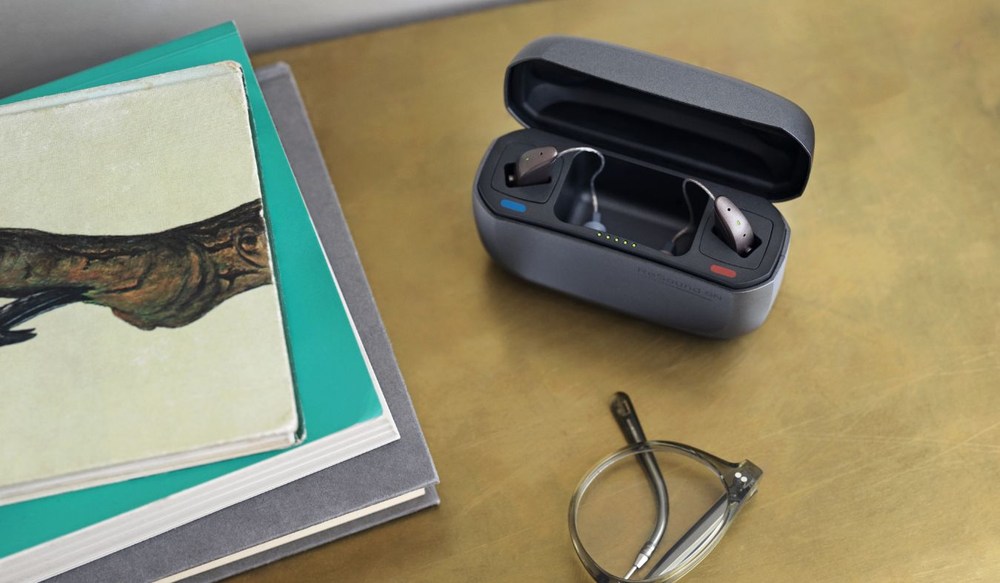
Once diagnosed, various treatment options can be considered based on the hearing loss’s type and severity. Hearing aids, cochlear implants, and therapy services are common interventions. Recent technological advancements have broadened treatment possibilities, offering more effective and accessible solutions for children.

Role of Parents and Caregivers

Parents and caregivers play a pivotal role in monitoring and supporting a child’s hearing health. Regular check-ups and staying informed about hearing loss signs are imperative. If any symptoms are noticed, seeking prompt medical advice is essential. Parents are encouraged to maintain regular healthcare visits and stay engaged in understanding and addressing their child’s needs.

In conclusion, early detection of hearing loss is vital for ensuring better developmental outcomes in children. It enables timely intervention that can set a trajectory towards success in communication and learning. Parents looking for guidance or wishing to schedule a hearing assessment for their children should consider reaching out to Hearing Aid Express.