Hearing loss is a condition that affects millions of people across the globe, bringing with it a mix of emotions ranging from frustration to sadness. For those newly diagnosed, the reality of hearing loss can be daunting. This article aims to guide and support you through this new chapter in your life, offering insights and strategies to help you embrace and navigate your hearing journey positively.

Understanding Hearing Loss

Hearing loss is more than just an inability to hear—it’s a condition that can profoundly impact various aspects of life. It often occurs gradually, especially in older adults, due to aging or prolonged exposure to loud noises. Among the common causes are natural aging processes, exposure to loud noise, and certain medical conditions. Recognizing and acknowledging the presence of hearing loss is the critical first step in effectively managing it.

Emotional Impact

Receiving a diagnosis of hearing loss can trigger a cascade of emotions. It’s common to experience denial, frustration, or even sadness. It’s crucial to understand that these feelings are normal and valid, as they are part of the natural response to any significant life change. Acknowledging these emotions can provide a pathway to acceptance and adaptation.

Steps to Acceptance

Embracing your hearing loss begins with acceptance. Consider these strategies:

Open Communication: Talk openly with family and friends about your hearing challenges and needs. Honest conversations foster a supportive environment.
Support Networks: Seek out support groups or counseling services that specialize in hearing loss. Sharing experiences can provide comfort and new coping strategies.
Positive Outlook: Maintain a positive attitude. Viewing your hearing journey as an opportunity for personal growth can transform your experience.

Practical Coping Strategies

Adapting to life with hearing loss involves practical adjustments. Here are some tips:

Regular Audiologist Visits: Schedule routine check-ups with an audiologist to monitor and manage your hearing ability effectively.
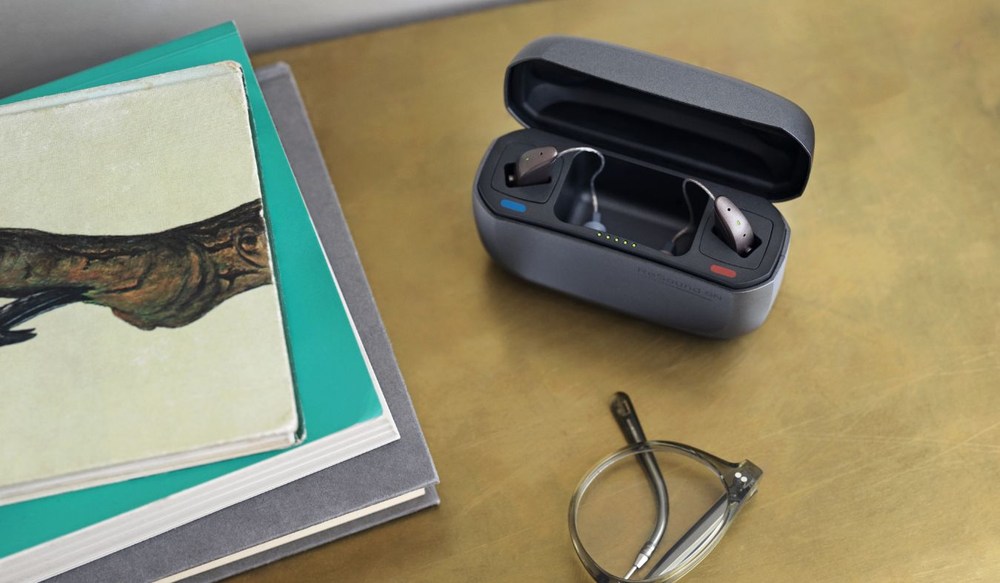
Hearing Aids and Devices: Explore the wide range of hearing aids and assistive devices available. These can significantly improve your quality of life.
Environmental Modifications: Consider modifying your surroundings to enhance acoustics. Simple changes, such as reducing background noise, can significantly improve communication.

Staying Connected

Despite hearing challenges, maintaining social connections is vital. Here’s how you can stay engaged:

Participate in Conversations: Position yourself in well-lit areas where you can see others’ faces, making lip-reading easier.
Engage in Social Events: Don’t shy away from gatherings. Use assistive listening devices to better participate in conversations and enjoy events.

Success Stories

Let’s consider Sarah’s story—a vibrant 65-year-old who, after her hearing loss diagnosis, used the opportunity to enrich her life in new ways. With the aid of hearing devices and a strong support network, she continued to lead an active social life and even took up new hobbies. Sarah’s journey illustrates the empowerment that comes from embracing and managing hearing loss.

Navigating hearing loss requires courage and adaptation but offers an opportunity for personal growth. Remember the strategies shared—from seeking professional support to fostering social connections—and stay committed to proactive hearing management. Your journey is a testament to resilience and adaptability.

For personalized guidance and top-tier solutions to hearing loss, reach out to Hearing Aid Express. Schedule an appointment today to explore how we can assist you in embracing this new chapter with confidence and support.