As we age, our hearing abilities can decline, affecting our overall quality of life. Fortunately, hearing aids can significantly enhance communication and safety for seniors, enabling them to continue enjoying their favorite activities and staying connected with loved ones. The advancements in hearing aid technology have broadened choices and improved experiences, offering solutions that are more efficient, discreet, and comfortable than ever before. This article aims to guide seniors through understanding and choosing modern hearing aids, ensuring they find the right fit for their needs.

Understanding Hearing Aid Basics

Hearing aids are small electronic devices that amplify sound, helping individuals with hearing loss to hear better. From rudimentary devices in the early 20th century to today’s sophisticated digital instruments, hearing aids have evolved tremendously. They offer numerous benefits, including improved communication, increased safety, and a better quality of life. By understanding the basics, seniors can start their journey towards finding the ideal hearing aid.

Key Features of Modern Hearing Aids

Battery Life:
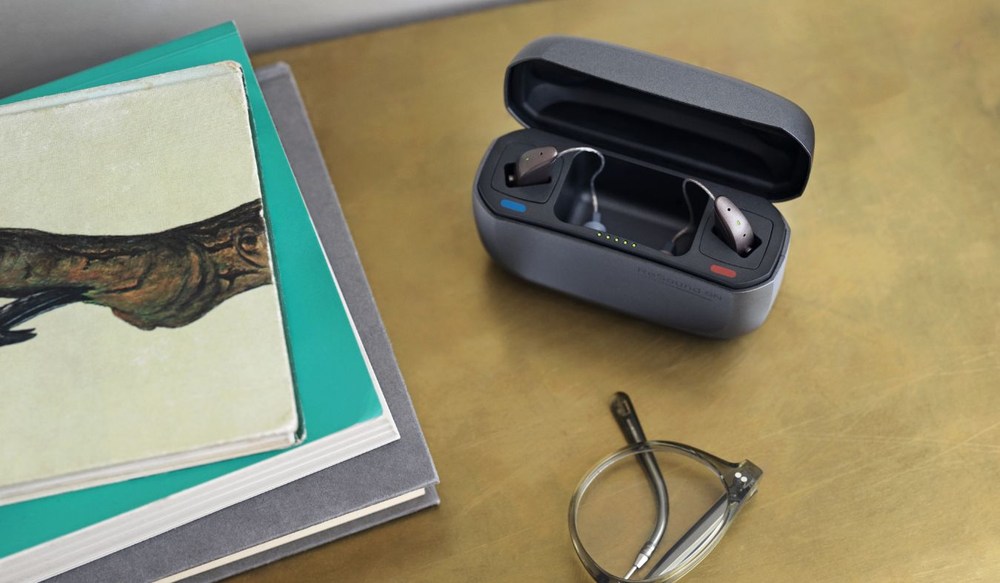
Modern hearing aids offer various battery options, including both disposable and rechargeable. Rechargeable batteries are eco-friendly and convenient, reducing the need for frequent battery changes. To maximize battery life, it’s important to follow manufacturer guidelines for charging and storage.

Bluetooth Connectivity:
Bluetooth technology has revolutionized hearing aids by enabling seamless audio streaming from smartphones, TVs, and other devices. This feature allows seniors to enjoy phone calls, music, and entertainment with better clarity and ease of use.

Noise Reduction and Sound Quality:
Advancements in technology have introduced sophisticated noise reduction features in hearing aids, allowing users to experience clearer sound in noisy environments. Enhanced sound quality is crucial for seniors to enjoy conversations and experiences in various settings.

Types of Hearing Aids Available

There are two major models: In-the-ear (ITE) and Behind-the-ear (BTE).

ITE models fit entirely within the outer ear and are less visible, making them a discreet option.
BTE models rest behind the ear and are connected to a custom earpiece inside the ear canal, typically offering more amplification and features.

Each model has pros and cons, and understanding these differences can help seniors decide which might best suit their needs.

Customization and Comfort

Customization is key in achieving optimal comfort and sound quality with hearing aids. Professionals can adjust the aids to fit personal sound preferences and physical comfort. Seeking professional help for fitting and adjustments ensures that seniors get the most out of their hearing aids, enjoying enhanced hearing experiences tailored to their unique needs.

Tips for Choosing the Right Hearing Aid

When selecting a hearing aid, consider lifestyle and environment, whether active or more quiet. Budget considerations are crucial, as prices vary significantly. Seniors should explore insurance options to offset costs. Consulting with an audiologist is essential for obtaining personalized advice and recommendations.

Maintaining Your Hearing Aids

Proper maintenance is crucial for the longevity and function of hearing aids. Simple tips include regular cleaning, avoiding moisture, and scheduling regular servicing. These measures help ensure that hearing aids perform at their best for years to come.

Modern hearing aids have profoundly impacted seniors’ lives, offering improved quality and experiences. By understanding their options and features, seniors can confidently select aids that enhance their lifestyle. Taking the next step toward better hearing can start with consulting audiologists at Hearing Aid Express, who provide expert guidance and solutions.