
Safe Ways to Remove Earwax at Home in Summer
Summer can make earwax more noticeable. Sweat, swimming and humid weather

By: Kory Rogers, BC-HIS | December 21, 2025
Choosing a hearing aid isn’t just about finding something that makes sounds louder. It’s about finding a device that fits the way you actually live your life.
If you spend a lot of time in noisy restaurants or busy offices, you’ll want features that help you focus on conversations without getting overwhelmed by background noise. If you’re active outdoors or enjoy hobbies that involve music or detailed sounds, you’ll need something that can handle those situations comfortably.
The right hearing aid should work with your daily routine, not against it. When the device matches your lifestyle, you’re more likely to wear it consistently and get the full benefit from it, rather than leaving it in a drawer because it doesn’t feel right for what you do.
The good news is that hearing aids have come a long way, and there are options designed for just about every situation.
Thinking about where you spend most of your time and what challenges you face in those environments helps narrow down what will actually work for you.
A hearing aid is a small electronic device that helps you hear more clearly by amplifying sounds. Sound enters the device through a microphone, which picks up noises from the environment.
The hearing aid then processes these sounds and increases the volume of the frequencies you need most. After processing, the sound is sent into your ear through a speaker, allowing your brain to interpret it as clear and understandable.
The basic components of a hearing aid include the microphone, processor and speaker. The microphone captures sound, the processor adjusts the volume and tones to match your hearing needs and the speaker delivers the enhanced sound into your ear.
Understanding how these parts work together helps you see why hearing aids can make conversations easier to follow and everyday sounds more accessible. Proper use and care of the device ensures it continues to perform well and support your hearing over time.
Hearing aids come in a variety of shapes and sizes to fit different hearing needs, comfort preferences and lifestyles. While all hearing aids work on the same basic principle, each style has its own advantages depending on your hearing level, dexterity and personal preferences.
Some of the most common hearing aid styles include:
If you are often in noisy environments like restaurants or meetings, look for hearing aids with strong noise reduction and directional microphones. These features help focus on speech and reduce background sounds, making conversations easier to follow.
For those who use smartphones or listen to music, Bluetooth connectivity can make streaming sound simple and clear. If you have an active lifestyle or want to avoid changing batteries often, rechargeable hearing aids may be a good choice for all-day use.
A comfortable fit plays an important part in how naturally hearing aids blend into your daily routine.
One of the first decisions you make is whether an open fit or a closed fit feels better for you. Each option shapes how sound enters your ear and how the device feels throughout the day, so understanding the difference can help you choose what suits your needs.
An open fit leaves more of your ear canal uncovered. This allows natural sound and airflow to move freely, which can feel lighter and more comfortable. Many people like this option because it avoids the plugged sensation that sometimes comes with a more enclosed style.
Open fits often work well if you still hear low pitched sounds clearly on your own, since they let those natural sounds reach your ear without obstruction.
A closed fit, on the other hand, seals more of the ear canal. This design can help provide stronger support for certain hearing needs because it keeps amplified sound from escaping and reduces outside noise from entering.
Some people find a closed fit feels secure and controlled, especially in busy or loud environments.
Choosing between open and closed fit comes down to how you want sound to feel, what is most comfortable for long wear and what matches your everyday listening needs.
Noise reduction technology is designed to help you hear speech more clearly when surrounded by background noise. This feature can make busy places like restaurants, shopping centers or family gatherings feel less overwhelming.
Here’s how noise reduction supports you in crowded places:
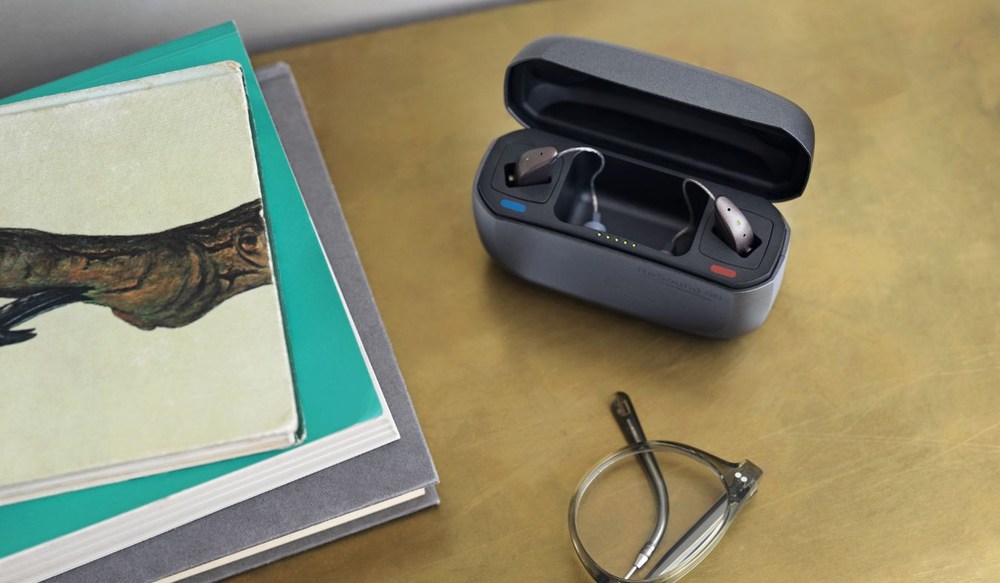
Rechargeable batteries have changed how many people use hearing aids each day. Instead of dealing with small disposable batteries, you can charge your device overnight and have power all day.
This means no more struggling to replace tiny batteries or worrying about running out of power at inconvenient times. Rechargeable hearing aids are also better for the environment because they reduce battery waste.
Charging is simple; just place your hearing aids in their charging case before bed, and they will be ready by morning. Many models offer a full day of use on a single charge, making them reliable for busy schedules.
Bluetooth and wireless connections allow you to stream phone calls, music and TV audio directly to your hearing aids. This makes it easier to stay connected with family and friends while enjoying clearer sound quality during conversations or entertainment.
Wireless features also let you adjust settings using a smartphone app, so you can change volume or switch programs without touching your hearing aids. These connections can simplify daily tasks and give you more control over how you hear in different situations.
Artificial intelligence (AI) is changing how hearing aids work by allowing devices to react quickly to different sounds and environments without manual adjustments.
With AI, hearing aids can:
Some hearing aids now include health tracking tools that support your overall wellness each day.
Certain models can track steps, monitor physical activity and even check your heart rate throughout the day. These devices may also include fall detection, which can alert someone if you take a hard fall while wearing your hearing aids.
These health features are designed to give extra peace of mind and support healthy habits. Having these tools built into a hearing device means you can keep an eye on important health information without needing separate gadgets.
Many hearing aids now come with simple controls and easy-to-use features that make daily life more convenient. Large buttons, clear markings and automatic settings help you adjust your device quickly without confusion.
Easy controls are helpful if you have trouble with small parts or limited hand movement. Some benefits include less frustration, faster adjustments and a smoother experience when changing volume or programs.
However, some basic models with simple controls may not offer as many advanced features or custom options as more complex devices. Finding the right balance between simplicity and technology depends on what works best for your needs each day.
Seeing a hearing instrument specialist gives you a clearer picture of what will genuinely help you day to day. Hearing loss is different for everyone, and it can affect your communication, comfort and confidence in ways that are not always obvious.
A specialist can sort through these details with you and explain which styles, fits and technology levels match your needs without leaving you to guess on your own.
You also benefit from precise programming, fine tuning and ongoing support that you simply cannot get from choosing a device without guidance.
Small adjustments can change how well you follow conversations, how comfortable sounds feel and how naturally you move through busy or quiet situations.
When you work with a trained professional, you have someone who understands your hearing as it changes and helps you get the best experience possible from your hearing aids over time.
Selecting the best hearing aid for your lifestyle is an important step toward better hearing and a more active daily life. Considering your personal needs, comfort and the features that are most important helps you find a device that works well for you.
The team at Hearing Aid Express is here to provide expert advice and support as you explore your options. If you have questions about which hearing aid might be right for you or would like more information, contact us at one of our convenient Texas or Colorado locations. Taking this step can help you find the solution that will blend easily into your daily life.
Tags: benefits of hearing aids, hearing aid basics, hearing aid selection tips
Summer can make earwax more noticeable. Sweat, swimming and humid weather
By: Kory Rogers, BC-HIS | September 21, 2026
There is a small routine that comes with disposable hearing aid batteries
By: Kory Rogers, BC-HIS | April 22, 2026
When you’re looking at hearing aids, the question usually
By: Kory Rogers, BC-HIS | February 20, 2026