
Safe Ways to Remove Earwax at Home in Summer
Summer can make earwax more noticeable. Sweat, swimming and humid weather
By: Kory Rogers, BC-HIS | April 22, 2026
There is a small routine that comes with disposable hearing aid batteries that most people get used to over time. It is something you work into your day without thinking much about it, until it briefly pulls your attention in the middle of something else.
Those moments, while quick, become part of the overall hearing aid experience. However, rechargeable hearing aids introduce a new routine that changes how you manage your devices day-to-day.
Instead of remembering to change batteries throughout the day, the attention shifts to a simpler routine centered around charging overnight and wearing the aids each day. The main advantage is reducing interruptions and making device management easier.
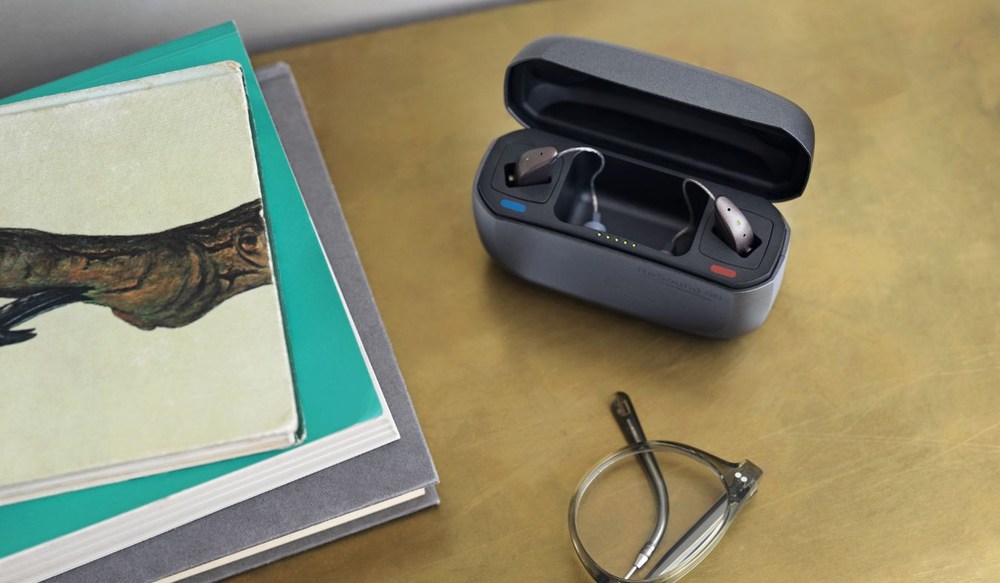
Most modern rechargeable hearing aids use lithium-ion batteries, similar to what you’d find in a phone or laptop, just smaller and built into the device. Instead of removing and replacing tiny button batteries, these are sealed inside the hearing aid and recharge by resting in a charging case that connects through small contact points.
That means the energy source is no longer something you handle separately, it is just part of the hearing aid itself, replenished overnight the same way you charge anything else in your life.
What that setup means in practice is that a full charge typically carries you through a full day of use, somewhere in the range of 16 to 24 hours, depending on the model and how heavily you are streaming audio. The charging case itself often holds additional charge, functioning more like a power bank than just a storage dock, which can extend your total range before you need access to an outlet.
Traditional hearing aid batteries are small, disposable zinc-air cells that need to be replaced every few days or each week. They are easy to find and quick to change, but you may need to carry spares and change them often.
Rechargeable batteries stay inside your hearing aids and are charged with a docking station. They typically last all day on a single charge, reducing concerns about running out of power.
Some people like the simplicity of traditional batteries since they do not need to remember to charge their devices. Others prefer rechargeable options because they reduce waste and need less frequent maintenance. The best choice is based on your daily routine.
Rechargeable hearing aids use built-in lithium-ion batteries charged in a case, eliminating the need to swap out disposable batteries.
Most charging systems show charge status with indicators, and some have quick-charge options for hours of use with a short charge. Rechargeables fit into your routine, lasting a full day even with streaming.
The charging case doubles as a storage and power source, keeping everything together. This reduces concerns about individual batteries and encourages a regular charging routine.
How you recharge your hearing aids is important, because it is something you will do every day. Most rechargeable hearing aids come with a desktop charging case: you set the hearing aids in their slots at night, they charge while you sleep and they are ready when you wake up. For most people, this becomes as automatic as plugging in a phone – taking about five seconds and requiring no thought once the habit is in place.
Where the options start to diverge is in what happens when you are away from that routine. Certain models come with portable charging cases that hold their own internal charge, so you are not dependent on finding an outlet to get through a long day or a trip.
If you travel frequently or spend extended hours away from home, that kind of self-contained backup can change your day without requiring you to plan around your hearing aids. A smaller number of models also support wireless charging, in which the case sits on a pad rather than connecting through a cable.
Rechargeable hearing aid batteries change how often materials are used and discarded in hearing care. Instead of going through multiple disposable batteries each week, a single built-in battery is used repeatedly over a longer period.
That shift reduces the number of small batteries that end up in the trash, which could accumulate over months and years. For many people, it also changes how often they need to think about purchasing and handling battery supplies.
Switching to rechargeable batteries can cut down on the extra packaging and shipping that come with disposable replacements. They still rely on electricity and won’t last forever, but using one battery over a longer period means you’re throwing less away. It’s a small change that can add up to less overall waste.
There are usually a few small signs that your hearing aids are running low on power, even if they’re easy to miss in the moment. You might notice little changes in how things sound or how your devices behave throughout the day.
Some common signs include:
When choosing between standard and premium battery options for your hearing aids, it helps to understand how they differ. Premium batteries are often designed to support features like Bluetooth streaming, more advanced sound processing and shorter charging times. Standard batteries, on the other hand, are typically suited for day-to-day use when your listening needs are more direct.
The right choice often comes down to how you use your hearing aids throughout the day. If you tend to wear them for extended periods or rely on features like wireless connectivity, quick charging or longer battery life, a premium option may be the right option for you.
If your routine is more regular and less dependent on those features, a standard battery may be enough. Both options are built to support regular use, with differences that reflect the level of demand placed on the devices.
Premium hearing aid features can be helpful if your days involve busy schedules, frequent conversations or regular use of technology like smartphones and tablets. These advanced options may include Bluetooth streaming, faster charging or longer battery life for those who need their devices to keep up with an active lifestyle.
To decide if premium features are right for you, consider whether you often stream audio or take calls through your hearing aids, spend long hours away from home without easy access to a charger or need quick charging for your schedule. A hearing specialist will guide you through the different options, helping you choose the right one for you.
Rechargeable hearing aid batteries are for regular use but handling them properly affects their long-term performance.
Small details, like keeping your devices clean or properly storing them when not in use, can affect how well the battery holds a charge. Temperature can also have an impact, as exposure to very hot or cold conditions may reduce how consistently your devices function.
Charging habits can make a difference as well. Sticking to a regular routine, rather than letting the battery fully drain or charging at random times, may help maintain a better performance. These changes may not seem noticeable at first, but they can affect how your hearing aids feel from morning to night and how often you notice changes in battery life.
When you visit a hearing specialist, asking the right questions about batteries can help you get the most out of your hearing aids. You might want to know how long batteries typically last, what signs indicate they need replacing or recharging, and whether certain features use more power.
You can also ask about the differences between disposable and rechargeable batteries, especially if you use extra features like Bluetooth streaming. It is helpful to find out which charging methods work best for your routine and whether your devices support portable chargers for travel.
Your hearing specialist can explain how different habits like charging overnight or using specific settings can affect battery life over time. Asking these questions gives you an idea of what to expect from your hearing aids. This helps you make well-informed choices that fit both your personal lifestyle and budget.
When your devices are simply ready when you are, that dependability becomes part of your routine in a way that feels natural rather than managed. Over time that consistency adds up in ways that are easy to appreciate, in conversations you stay more present for and in moments where your hearing aids are just doing their job alongside you.
If you are curious about whether rechargeable hearing aids make sense for your situation, talking through your options with our hearing instrument specialists. The right fit depends on your lifestyle, your hearing needs and how your days are usually structured.
Hearing Aid Express, with locations across Texas and Colorado, can help you explore what is available and find what works for you, rather than just what sounds good on paper. We are here to make that process easy, so you can spend less time researching and more time hearing well.
Tags: hearing aid features, hearing aid styles, hearing aid technology
Summer can make earwax more noticeable. Sweat, swimming and humid weather
By: Kory Rogers, BC-HIS | September 21, 2026
There is a small routine that comes with disposable hearing aid batteries
By: Kory Rogers, BC-HIS | April 22, 2026
When you’re looking at hearing aids, the question usually
By: Kory Rogers, BC-HIS | February 20, 2026