Summer can make earwax more noticeable. Sweat, swimming and humid weather all add moisture to the ear canal, which can soften wax and change how it sits. That is when ears start to feel plugged, itchy or just a little off. The problem often gets worse when you try to fix it quickly. Cotton swabs, bobby pins and similar objects tend to push wax farther in instead of bringing it out. Pool water, sunscreen and moisture left behind after a shower can add to the irritation. A better approach is to leave the ear canal alone as much as possible and use safer methods when wax starts to build up. A few simple habits can help you manage it without making the blockage worse.
Why Your Ears Make Wax in the First Place

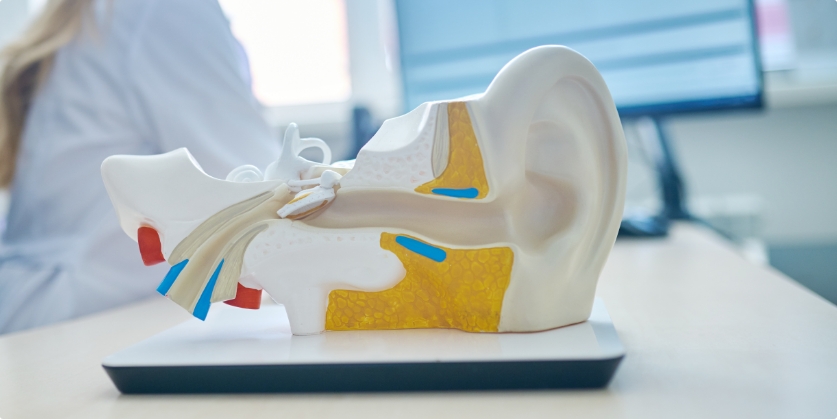
Earwax, also called cerumen, is a normal part of how your ears protect themselves. Glands in the ear canal produce it to help trap dust, dirt and other small particles before they move farther inside. It also helps keep the skin of the ear canal from becoming too dry or irritated. In most people, old wax gradually works its way toward the opening of the ear on its own. Natural skin movement inside the canal helps carry it outward, while chewing and talking support that process. Some people simply produce more wax than others, and the texture can range from relatively dry to soft and sticky. Problems usually start when wax builds up faster than the ear can move it out.

Why Earwax Can Build Up More in Summer

Hot weather changes the environment inside and around your ears. Sweat, humidity and water from swimming can mix with earwax and make it softer, stickier or more likely to shift deeper into the canal. Earbuds, hearing protection and other items worn in the ears can make things worse when wax is already damp. Instead of allowing it to move outward naturally, they can press softened wax farther inside. Repeatedly wiping or digging at the ear canal can also irritate the skin and interfere with its normal cleaning process. Swimming adds another wrinkle. Water can become trapped around a wax buildup, making the ear suddenly feel much more blocked even if the wax was not bothering you beforehand.

Signs Earwax May Be Building Up

A wax blockage does not always announce itself all at once. It often starts with a small change in how the ear feels or how sounds come through, then becomes more noticeable as the buildup increases. Common signs include:

  • A plugged or full feeling in one ear
  • Muffled or reduced hearing
  • Itching or discomfort in the ear canal
  • Ringing in the affected ear
  • A sudden blocked sensation after swimming or showering

Why Cotton Swabs Usually Make Things Worse

When your ear feels plugged or itchy, grabbing a cotton swab feels like the obvious move. The problem is swabs don’t actually pull much wax out. Most of the time they just push it deeper into the canal, where your ear has a much harder time working it back out on its own. There is also very little room for error inside the ear canal. The skin there is thin and easy to irritate, so repeated swabbing can leave it sore or scratched. Pushing a swab in too far also creates a risk of injuring the eardrum, especially if your hand slips or someone bumps your arm. The safest place for a cotton swab is outside the ear canal, where it cannot pack wax deeper or scrape sensitive skin.

Safer Ways to Handle Minor Earwax Buildup at Home

If your ear only feels mildly blocked and you do not have pain, drainage or a history of eardrum problems, softening the wax is usually a safer option. It is better than trying to dig the wax out yourself. Over-the-counter earwax drops are made for this purpose and can help loosen buildup so it moves outward more easily. You can also wipe away wax that has already reached the outer ear with a warm, damp washcloth. Avoid inserting anything into the canal itself, even if you can see the wax near the opening. Some people use bulb syringes after softening drops, but irrigation is not appropriate for everyone. Skip it if you have ear tubes, a known or suspected eardrum perforation, previous ear surgery or significant ear pain. Stop immediately if rinsing causes dizziness, discomfort or worsening symptoms.

When Earwax Is Better Left Alone

Earwax does not need to be removed just because you can see some of it. In most ears, wax slowly moves toward the opening as skin inside the canal naturally sheds and shifts outward. Once it reaches the outside, it can usually be wiped away without putting anything into the ear. A small amount of wax near the entrance is usually normal and does not mean the ear is dirty. In fact, constantly trying to remove every trace of it can leave the canal irritated and drier than it needs to be. Regularly cleaning deep inside the canal can interfere with that process. It can push wax backward, irritate the skin or create the very blockage you were trying to prevent. If your ears feel comfortable and your hearing has not changed, there is usually no reason to make earwax removal part of your routine. The time to pay closer attention is when wax starts causing fullness, discomfort, reduced hearing or another noticeable change.

Daily Habits That Help Prevent Earwax Buildup

You do not need an elaborate ear-cleaning routine to reduce the chance of wax becoming a problem. A few simple habits can help your ears handle wax naturally without adding extra irritation or moisture. After swimming or showering, dry the outside of your ears with a towel and give any trapped moisture time to evaporate. If you wear earbuds, earplugs or hearing aids for long stretches, occasional breaks can also give the ear canal a little time without something sitting inside it. Keep cleaning limited to the outer ear, using a soft, damp cloth when needed. Cotton swabs, hairpins and other objects should stay out of the canal, since they are more likely to push wax inward than remove it.

When Earwax Needs Professional Help

Home care has its limits. If an ear stays blocked despite using an appropriate softening product, or you develop pain, drainage or a noticeable change in hearing, it is time to stop trying to manage the wax yourself. The hearing specialist can look inside the ear to find out whether wax is actually causing the problem. That matters because fullness, muffled hearing and discomfort are not exclusive to earwax, and continuing to treat the wrong problem at home can delay the care you actually need. The visit is also a chance to talk about why buildup keeps happening. Hearing aids, narrow ear canals and a tendency to produce heavier wax can all affect how often professional cleaning is needed.

What Happens During Professional Earwax Removal

Professional earwax removal starts with a close look inside the ear canal. A specialist uses an otoscope or another magnifying instrument to see how much wax is present, where it is sitting and whether the ear canal or eardrum shows anything that would affect the removal method. The best way to remove earwax depends on how much has built up and where it is sitting in the ear canal. A specialist might use small tools, irrigation or suction based on what will work best for that particular blockage. You might feel pressure, movement or unusual sounds during the procedure, but the hearing specialist can adjust the approach if anything becomes uncomfortable. Once the wax is removed, the ear can be checked again to make sure the canal is clear and to see whether another issue was hidden behind the blockage.

Keeping Your Ears Safe and Comfortable All Summer Long

Taking care of your ears during summer helps you stay comfortable while enjoying your favorite activities. If you are unsure which earwax removal methods are right for you, a specialist can help. If your ears still feel plugged, sore or off after trying safe home methods, that’s a sign to get it looked at rather than keep pushing on your own. Hearing Aid Express has locations across Texas and Colorado ready to help:

  • Bellaire, TX: (832) 708-1918
  • Conroe, TX: (936) 299-2412
  • Spring, TX: (281) 716-3562
  • Kingwood, TX: (281) 869-6432
  • Pasadena, TX: (281) 822-0261
  • Sugar Land, TX: (281) 815-8675
  • Dallas, TX: (945) 223-0258
  • Plano, TX: (945) 294-2578
  • Austin, TX: (512) 547-1931
  • Georgetown, TX: (737) 383-3139
  • San Antonio, TX: (210) 792-0639
  • Grand Junction, CO: (970) 233-2140
  • Montrose, CO: (970) 615-2495

This information is for educational purposes only and is not a substitute for professional medical advice. Before trying any at-home earwax treatment, speak with a qualified specialist to make sure the method is appropriate for you.